A used or refurbished baler can be a genuinely sound purchase — lower entry cost, faster availability than a new-build lead time, and a proven design already validated in the field. It can also be a liability dressed up in fresh paint. The difference is almost never visible in a listing photo; it is found in the questions a buyer asks before money changes hands, and in how honestly a seller answers them.
Start with the frame and chamber, not the paint
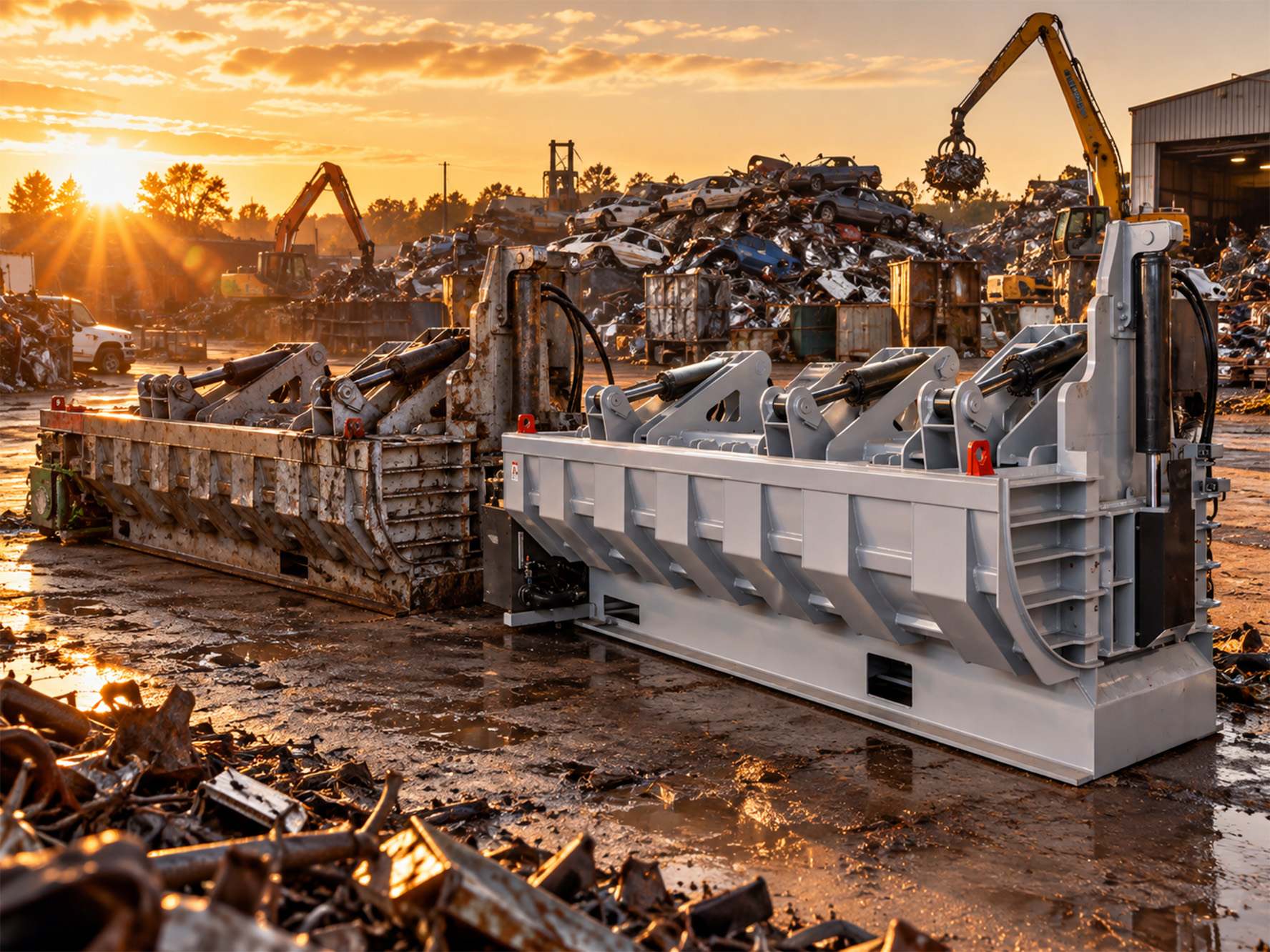
Cosmetic refurbishment — new paint, cleaned-up panels, a tidy control cabinet — is the easiest and cheapest part of preparing a machine for resale, and it tells a buyer almost nothing about the condition that actually matters. The structural frame and compression chamber carry the accumulated stress of the machine’s entire working life, and fatigue there is not something a repaint fixes or hides for long once the machine is back under load.
A machine can look newer than it is very easily. It cannot perform newer than it is without genuine structural and hydraulic work behind the cosmetics.
Ask specifically what “refurbished” meant in practice: which components were replaced, which were inspected and retained, and whether any structural welding or reinforcement was carried out — and by whom. A refurbishment carried out by the original manufacturer or an authorised service partner carries different weight than one carried out by an unrelated third party with no access to original specifications.
The questions that separate a sound purchase from a costly one
- Full service and maintenance history — not a summary, the actual records, including any major component failures and how they were repaired
- Hours or cycles logged against the material types processed — a machine that ran light aluminium scrap for a decade has a different wear profile than one that ran heavy demolition steel
- Origin of replacement parts used in any prior repair or refurbishment — genuine manufacturer parts versus generic substitutes affect both performance and future parts compatibility
- Availability of spare parts going forward — a used machine from a manufacturer with a thin or discontinued parts pipeline can become uneconomical to keep running the moment something fails
- Whether the seller will support an independent inspection before purchase, ideally under load rather than a static viewing
Spare parts availability is the risk buyers underweight most
A used machine’s true cost is not the purchase price — it is the purchase price plus every future repair, and repairs depend entirely on parts being available. A machine bought from a manufacturer still actively supporting that model line, with guaranteed spare parts held in stock, is a fundamentally different proposition from one bought from a discontinued line or a manufacturer no longer trading. Before committing, confirm directly with the manufacturer — not just the seller — that parts support genuinely continues for that specific model and age.
The used-equipment market is full of machines that were a bargain on delivery day and a liability eighteen months later, the moment a part that no longer exists needed replacing.
Compare against new before deciding used is cheaper
A used machine’s lower price only represents genuine savings once it is weighed against remaining working life, likely near-term repair costs, and the performance gap against a new equivalent — the same lens covered in Scrap Baler ROI: The Five Levers That Decide Payback. A used machine at sixty percent of new price with three years of remaining economical life is a very different proposition from one at the same discount with an uncertain lifespan and no manufacturer support behind it.
For buyers weighing new against used primarily on upfront cost, it is also worth comparing financing routes for a new machine directly — our guide to buying, leasing, or finance-leasing a baler covers how a structured payment plan on a new, fully supported machine can close much of the apparent cost gap.
A practical pre-purchase checklist
- Request full service records, not a summary — including any structural repairs and their scope
- Confirm hours or cycles and the material profile the machine actually processed
- Verify replacement parts used in any prior work were genuine, and check current parts availability with the manufacturer directly
- Arrange an independent inspection under load wherever possible, not a static walk-around
- Price the total picture — purchase cost plus likely near-term repairs plus remaining working life — against a new machine, financed or otherwise
Considering a used or refurbished machine and want a second opinion on the numbers? Bring the details to Roter’s technical team — start with the full range here — for an honest comparison against a new, fully supported alternative.
FAQs
What matters most when buying a used baler — cosmetics or condition?
Condition, specifically the structural frame and compression chamber, which carry the accumulated fatigue of the machine’s working life. Cosmetic refurbishment such as new paint tells a buyer very little about that underlying condition.
Why is spare parts availability such an important factor?
A used machine’s real cost is the purchase price plus every future repair, and repairs depend on parts being available. A machine from a manufacturer still actively supporting that model line is a fundamentally safer purchase than one from a discontinued line.
Should I trust a seller’s description of a “refurbished” machine?
Ask specifically which components were replaced, whether structural work was carried out, and by whom, a refurbishment by the original manufacturer or an authorised partner carries more weight than one by an unrelated third party.
How do I compare a used machine’s price fairly against a new one?
Weigh the used machine’s discount against its remaining working life, likely near-term repair costs, and its performance gap versus a new equivalent, rather than comparing sticker prices alone.
Should I get an independent inspection before buying used equipment?
Yes, and ideally under load rather than a static viewing, since a stationary walk-around reveals far less about hydraulic and structural condition than watching the machine actually cycle.